
Flexprice and the era of usage-based pricing for AI products
SaaS, AI Usage and Billing Complexity

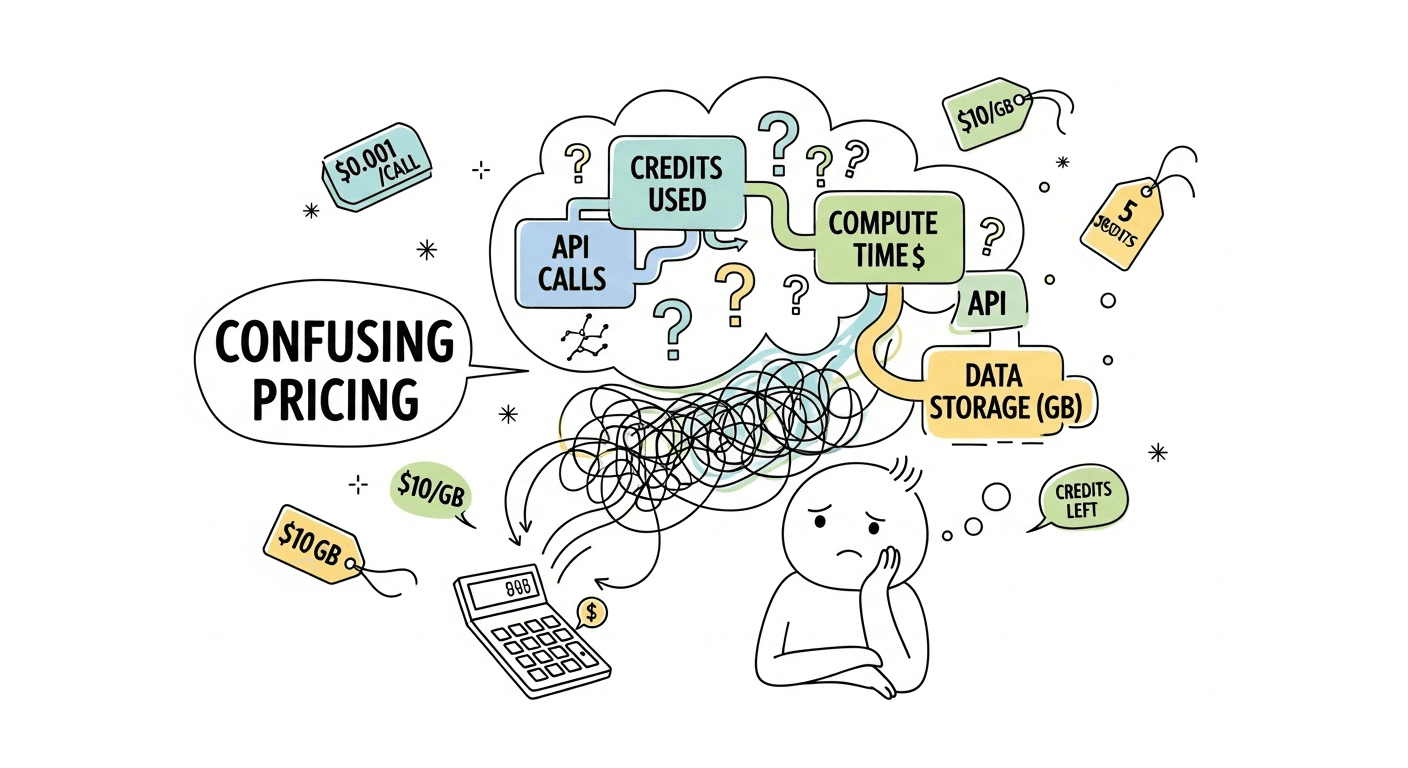
As AI products become more common, teams building them face a growing pain point that traditional subscription billing systems were never designed to solve tracking and charging for what users actually consume. AI workflows often involve quantifying tokens used, compute time, API calls, or model inference counts, and these metrics vary widely from session to session.
Companies that try to stitch together subscription billing with custom usage tracking often end up with brittle logic and expensive technical debt. Flexprice approaches this problem by offering a unified platform for usage metering, pricing, credits, and billing that is built to handle the unpredictable consumption patterns of AI driven products. It is explicitly designed to let developers focus on product features rather than billing infrastructure.
Core Feature: Usage Metering
At the heart of Flexprice is Usage Metering, which lets you define meaningful events such as API calls or compute usage and then aggregates them in real time so that pricing and billing can reflect actual customer activity. This kind of metering is especially important for AI products where usage can spike unexpectedly or vary greatly by customer.
- For example, token usage from large AI models may be billed differently depending on model type or prompt type.
- Accurate aggregation of these events is critical for fair billing.
Pricing Models
Once usage is captured, Pricing Models enable you to translate that usage into charges, whether through:
- Pure usage fees
- Subscription plans
- Hybrid approaches that combine both.
These pricing definitions are flexible and can be adjusted over time without rewriting backend code.
Credits, Wallets, and Feature Management
Another area that resonates in AI workflows is Credits and Wallets, which allow products to offer prepaid units or promotional credits. AI native teams often need ways to grant starter credits or bundle tokens, and automatic top ups and expiration rules mean you can model real world usage incentives without additional work.
Closely related is Feature Management defining what capabilities a customer can access and how they are measured. In AI tools, you might:
- Limit certain high cost features to premium users.
- Gate access based on usage thresholds.
Billing, Invoicing, and Integration
All these pieces feed into Billing and Invoicing, the part of Flexprice that turns tracked usage and pricing rules into clear customer invoices. Invoices generated by the platform contain line items that reflect usage, subscriptions, or credits applied, giving both your teams and your customers visibility into what was consumed and why.
Integrations with external payment, CRM, or accounting systems help align billing data with your broader operational stack.
Final Thoughts: Engineering Efficiency
The ability to manage this lifecycle from event ingestion to customer invoice without bespoke engineering work is one reason usage based pricing is gaining traction in AI and API products across the industry. Many teams find that handling billing logic internally can consume significant engineering bandwidth and still fall short of supporting real usage patterns.
Tools like Flexprice aim to shift that burden, letting teams iterate on pricing models quickly and focus on core AI functionality rather than billing complexity.